
Waste Pickup Secrets Every Homeowner Needs to Know
Managing trash might seem simple, but the way you handle waste pickup can affect your wallet, your home’s cleanliness, and even your local environment. Small changes in how you sort, store, and schedule your waste can reduce fees, prevent pests, and keep your neighborhood looking better—without adding much work to your routine.
Below are the most important, practical waste pickup secrets every homeowner should know, whether you’re new to an area or just tired of overflowing bins and surprise charges.
1. Decode Your Local Waste Pickup Rules First
Every city, HOA, and private hauler has its own rules—and ignoring them is the fastest path to missed pickups, fines, or extra fees.
How to quickly understand your local system
Within the first week of moving in (or as soon as possible if you’ve never checked), do the following:
-
Find the official guidelines
Look up your city or county’s sanitation department website or your private hauler’s site. Download their waste pickup calendar and rules. -
Confirm your pickup schedule
Note:- Which days are trash, recycling, and yard waste
- Time when bins must be at the curb (often by 6–7 a.m.)
- Holiday schedule changes
-
Check container rules
Clarify:- Bin size limits and weight limits
- What counts as “overflow” (extra bags, bulky items)
- Whether lids must fully close
Many missed pickups are caused by small rule violations: bins put out too late, lids not closing, or bags too heavy for the automated arm to lift.
2. Sort Smarter: The Right Stuff in the Right Bin
The single biggest waste pickup mistake is contamination—putting the wrong material in the wrong bin. It can get your recycling rejected, your compost skipped, or your trash tagged and left behind.
Know the basics: trash vs. recycling vs. compost
These can vary locally, but this framework applies almost everywhere:
Usually OK in recycling (check local rules):
- Clean paper and cardboard (no greasy pizza boxes)
- Metal cans (aluminum, steel)
- Glass bottles and jars (rinsed)
- #1 and #2 plastic bottles and jugs
Usually NOT OK in recycling:
- Plastic bags and film
- Greasy or food-soiled paper/cardboard
- Styrofoam
- Electronics, batteries, and cords
- Garden hoses and “tanglers” (wires, strings, lights)
Typical compost/organics (where offered):
- Fruit and vegetable scraps
- Coffee grounds and filters
- Yard waste (leaves, grass, small branches)
- Uncoated paper towels and napkins (if allowed locally)
Checking your hauler’s recycling and organics list once can save you from months of rejected bins.
3. Reduce Volume to Avoid Extra Fees
Many haulers charge extra when your lid doesn’t close or when you put out additional bags or bulky items. A few simple habits can shrink your weekly trash volume.
Simple ways to fit more into your existing service
-
Break down all cardboard
Flatten boxes fully and cut or fold large ones. Cardboard often eats half the can for no good reason. -
Crush bottles and cans
Before tossing them in the recycling, lightly crush plastic bottles (cap on afterward) and step on cans. -
Nest items
Put smaller containers inside larger ones, stack similar items, and keep air gaps to a minimum. -
Use compost or yard-waste services if available
Food scraps and yard debris are heavy and bulky. Moving them out of your trash can reduce overflow and potential weight surcharges. -
Avoid “wishcycling”
Jamming unrecyclable plastics into your recycling bin doesn’t help. It can cause the whole load to be treated as trash (source: U.S. EPA) and may flag your bin for rejection.
4. Perfect Curbside Placement (So Your Bin Actually Gets Emptied)
Truck drivers and automated arms have limited space to maneuver. Poorly placed bins are a very common reason for missed waste pickup.
The ideal bin-placement formula
Follow these general guidelines (adjust if your hauler says otherwise):
-
Spacing:
- Leave 2–3 feet between each bin
- Keep 3 feet of clearance around bins from cars, mailboxes, poles, and fences
-
Orientation:
- Face the arrows or logo toward the street
- Ensure wheels are toward your house, unless your hauler specifies otherwise
-
Location:
- Place bins at the edge of your driveway or curb, not in the street
- Don’t block sidewalks or storm drains
- Avoid parking vehicles directly in front of bins
-
Timing:
- Set bins out the night before pickup or no later than the specified time (often 6 a.m.)
- Bring bins back in promptly after service to avoid HOA complaints or city notices
5. Keep Pests, Smells, and Mess Under Control
Nothing ruins a nice yard like tipped-over bins, raccoons, flies, and bad odors. A few preventive steps can dramatically improve your waste pickup experience.
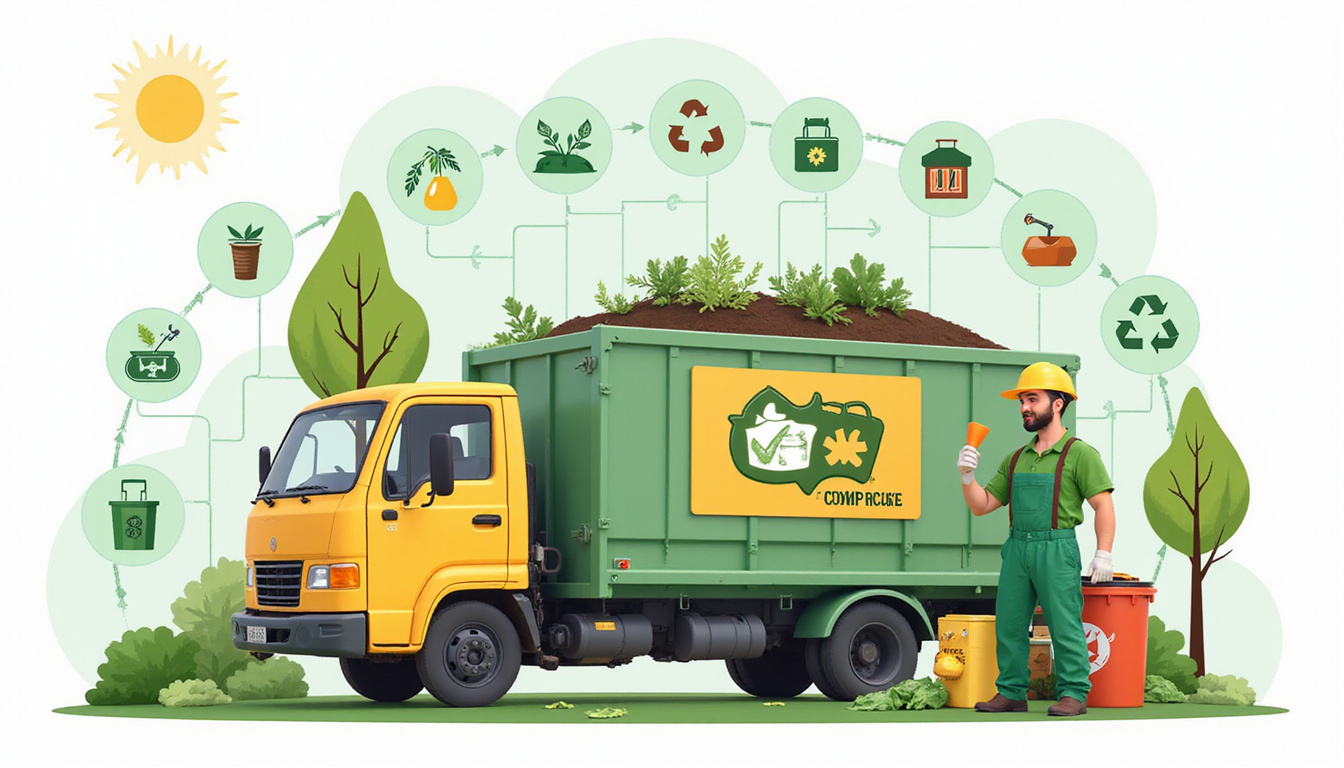
Strategies to control odor and animals
-
Bag trash tightly
Tie garbage bags securely. Double-bag especially wet or smelly items. -
Freeze ultra-smelly scraps
Store meat and seafood scraps in a small container in your freezer, and put them out the night before pickup in a well-tied bag. -
Use bin liners or washable cans
Hose out trash and recycling bins regularly. A few tablespoons of baking soda at the bottom can reduce smells. -
Secure the lid
Some areas allow bungee cords or clips; others don’t because drivers need to open them mechanically. If you use a strap, remove it before your scheduled waste pickup or verify your hauler’s rules. -
Store bins wisely
Keep them in a shaded, well-ventilated area. If possible, elevate slightly to discourage insects.
6. Bulk, Hazardous, and Special Waste: What Really Happens
Not everything belongs in your normal waste pickup. Some items are dangerous, illegal to toss, or require special arrangements.
Common items that need special handling
Here’s a quick guide to what usually requires separate disposal:
- Electronics (TVs, computers, printers)
- Paints, solvents, and certain chemicals
- Batteries and fluorescent bulbs
- Large appliances (refrigerators, stoves, AC units)
- Tires
- Large furniture or construction debris
How to handle these items correctly
-
Check for special collection days
Many cities host free or low-cost hazardous waste and e-waste collection events. -
Ask about bulky-item pickup
Some services allow a set number of bulky-item pickups per year (sofas, mattresses, appliances) if you schedule in advance. -
Use designated drop-off locations
Landfills, transfer stations, or private recyclers will often accept construction debris, scrap metal, or large loads for a fee.
Never put hazardous materials in regular trash or recycling bins—it endangers sanitation workers and can cause fires or chemical releases.
7. Sync Your Household Habits With the Pickup Calendar
The most efficient households plan their waste habits around their schedule for waste pickup instead of reacting at the last minute.
Simple routines that make a big difference
-
Weekly “bin check”
The night before pickup, walk through the house with a small bag and:- Empty small bathroom and office trash cans
- Toss any expired leftovers from the fridge
- Collect cardboard boxes from deliveries and flatten them
-
Pre-holiday declutter
Before major holidays or big events, plan decluttering sessions a week or two ahead so you can:- Schedule bulky pickups if needed
- Spread large volumes over multiple weeks if your service has strict limits
-
Use reminders
Set recurring alarms on your phone or use a local waste app (many haulers offer them) to remind you of pickup days, holiday changes, and special collection events.
8. Avoid Surprise Charges and Service Issues
Many homeowners pay more than they need to simply because they don’t understand their bill or service options.
How to keep your waste pickup costs under control
-
Right-size your bin
If your trash is always half-empty and your recycling overflowing (or vice versa), call your hauler. Up- or downsizing a bin is often cheaper than constant overflow fees. -
Review your bill
Watch for:- Extra bag or overflow charges
- Contamination fees for recycling or organics
- Fuel surcharges or new service fees
-
Ask about bundled services
Trash, recycling, and yard waste are sometimes cheaper as a bundle. Seniors or low-income households may qualify for discounts. -
Report missed pickups promptly
If your bin was placed correctly and still not serviced, contact your hauler the same day. Most companies have a window during which they’ll return at no charge if the miss was their error.
9. Make Your Waste Pickup More Sustainable
Improving your waste habits doesn’t just help the environment—it often makes your service smoother and cheaper.
Small changes with big impact
-
Reduce at the source
Buy in bulk where practical, avoid excessive packaging, and use reusable bags, bottles, and containers. -
Recycle correctly
Clean containers (quick rinse is enough), dry paper and cardboard, and never bag recyclables in plastic unless your hauler explicitly requires it. -
Use donation and resale options
Before putting usable items out for bulk waste pickup, consider:- Donating to local charities or thrift stores
- Listing items for free or cheap on local marketplaces
- Checking your community “Buy Nothing” groups
These steps can keep large objects out of the landfill and reduce the volume going into your bins each week.
10. A Quick Homeowner Waste Pickup Checklist
Use this brief checklist to tighten up your routine:
- [ ] I know my trash, recycling, and yard waste pickup days.
- [ ] Bins are out on time and placed with at least 2–3 feet of clearance.
- [ ] I break down boxes and crush cans/bottles to save space.
- [ ] I follow local rules on what can go in each bin.
- [ ] I handle electronics, chemicals, and bulky items through special collection or drop-off.
- [ ] I use reminders or a calendar for schedule changes and special pickups.
- [ ] I review my bill periodically and adjust bin sizes if needed.
FAQ: Homeowner Questions About Waste Pickup
1. How can I prepare for waste collection to avoid missed pickups?
Place bins at the curb by the required time, with lids closed and 2–3 feet of clearance around each can. Follow your hauler’s rules on weight limits and accepted materials. Double-check the schedule during holidays when waste pickup days may shift.
2. What should I do if my recycling waste pickup was skipped or tagged?
Look for a notice on your bin—many haulers leave a tag explaining the issue (contamination, overweight, wrong materials, blocked access). Remove the problem items, consult your hauler’s recycling guide, and contact customer service if the reason isn’t clear.
3. How do I schedule bulk waste pickup for large items?
Most providers require you to call or submit an online request before placing bulky items at the curb. Ask about any fees, size or weight limits, and designated bulk waste pickup days in your area.
Managing waste pickup well is about more than just rolling a bin to the curb once a week. When you know your local rules, sort properly, minimize overflow, and time your habits around the pickup schedule, you get cleaner results, fewer pests, and lower long-term costs. Take 15–20 minutes this week to review your hauler’s guidelines, adjust your bin setup, and set calendar reminders. If you’re unsure where to start, contact your local provider or municipal sanitation office and ask for their homeowner waste pickup guide—then put these secrets to work on your very next collection day.
Junk Guys San Diego
Phone: 619-597-2299
Website: www.olive-deer-348861.hostingersite.com
Email: junkguyssd619@gmail.com