
When most drivers think about “vehicle pickup,” they picture faster 0–60 times and better highway merges. But smart upgrades and habits that improve vehicle pickup don’t just make your car feel quicker—they can also protect and even increase your resale value. By focusing on how your car accelerates and how efficiently it delivers power, you’re often taking care of the same systems that buyers and appraisers look at most closely.
Below are practical, real-world hacks that will help your vehicle feel more responsive today while keeping it attractive and valuable when it’s time to sell or trade in.
1. Start with the basics: maintenance that directly affects pickup
The most powerful “mods” you can make for vehicle pickup and resale value aren’t flashy—they’re routine maintenance done correctly and on time.
Keep the engine breathing and burning clean
Your engine’s ability to pull in air and fuel and burn them efficiently is at the core of both performance and longevity.
- Air filter: A clogged air filter chokes the engine, reducing power and mileage. Replacing a dirty filter can noticeably improve throttle response and acceleration, especially on older or neglected vehicles. It’s cheap, quick, and most buyers like seeing a clean filter housing.
- Fuel system cleaner: High-quality fuel system cleaners can help remove deposits on injectors and intake valves, improving fuel atomization and combustion. Use as directed—usually every few thousand miles.
- Spark plugs: Worn plugs misfire under load, which you feel as hesitation during acceleration. Fresh, properly gapped plugs restore smooth power delivery and are a strong selling point on a recent service invoice.
Change engine oil and transmission fluid on schedule
Oil and fluids don’t just protect parts—they influence how freely your drivetrain can spin.
- Engine oil: Using the manufacturer-recommended viscosity and changing it at or before the interval helps maintain compression and reduces internal friction. Consistent oil changes are one of the first items a knowledgeable buyer or mechanic looks for in service records.
- Transmission fluid: Old, burnt, or low ATF (automatic transmission fluid) leads to sluggish shifts, flares between gears, and delayed pickup. Fresh fluid and filter (where serviceable) can transform how a vehicle accelerates and shift feel is a major factor in perceived vehicle health.
Document every oil and fluid service. A well-documented maintenance history can increase resale value significantly compared to cars without records (source: Consumer Reports).
2. Optimize weight and rolling resistance for quicker, smoother acceleration
Your vehicle pickup isn’t just about horsepower—it’s also about how much weight that power has to move and how easily your tires roll.
Lighten the everyday load
Extra weight dulls acceleration, reduces fuel economy, and puts additional stress on brakes and suspension.
- Remove unnecessary cargo from the trunk and cabin.
- Take off unused roof racks, cargo boxes, and bike racks when not needed.
- If you’ve added heavy aftermarket bumpers, steps, or sound systems, consider lightweight alternatives or at least be aware of how they affect pickup.
Even dropping 100–150 pounds can make a noticeable difference, especially in small cars and compact crossovers.
Choose tires that help, not hurt, vehicle pickup
Tires have a huge impact on how your vehicle feels off the line and in passing maneuvers.
- Tire type: Aggressive off-road or oversized tires look good but can heavily blunt acceleration and fuel economy. For daily driving, choose quality all-season or performance tires in stock or near-stock sizes.
- Tire pressure: Underinflated tires increase rolling resistance, making your engine work harder for the same speed. Check pressures monthly and keep them at the manufacturer’s recommended PSI (found on the driver’s door jamb).
- Wheel size: Oversized wheels with heavy rims may slow acceleration. Stick close to OEM sizes, especially if you care about resale—many buyers prefer stock or near-stock wheel setups.
When you sell, provide tire purchase and rotation records. Fresh, quality tires are a quick visual indicator that the car has been cared for.
3. Improve throttle response without risky “power mods”
Not every performance upgrade is worth it. Some mods can hurt reliability or even lower resale value if they appear poorly done or overly aggressive. Focus on changes that give real-world gains while preserving (or enhancing) market appeal.
Use OEM or OEM-plus performance parts
If you’re upgrading components, look for:
- Manufacturer-approved “sport” or performance packages: Many brands sell factory or dealer-installed intake, exhaust, or suspension packages that are emissions-legal and warranty-friendly. These are a plus for many buyers.
- Reputable brands and pro installation: Cheap or unknown-brand parts—especially “cold air” intakes or loud exhaust systems—can scare off buyers and appraisers. Document brand, installer, and tuning.
Be cautious with engine tunes and chips
Engine remapping (tuning) can increase torque and improve vehicle pickup, but:
- Aggressive tunes can accelerate wear on the engine and transmission.
- Poorly done or undocumented tuning can reduce resale value—or limit your buyer pool to enthusiasts only.
- If you tune, choose a conservative, well-known provider and keep all stock parts. When selling, you can return the car to stock and market it as “unmodified,” often attracting more buyers.
4. Align suspension and steering for sharper, safer performance
How a car puts power to the ground matters as much as the power itself. Suspension and alignment directly affect stability, confidence, and how eagerly the vehicle picks up speed.
Get a proper alignment and suspension check
A misaligned car wastes power and feels sluggish and nervous. Ask your shop to:
- Check and correct toe, camber, and caster per manufacturer specs.
- Inspect shocks, struts, bushings, and ball joints for wear.
- Verify that the steering system has no excessive play or binding.
A car that tracks straight, corners predictably, and doesn’t wander under acceleration or braking will feel more responsive and command a higher price.
Refresh worn suspension components
- Shocks/struts: Fresh dampers keep the tires firmly planted, improving grip during acceleration and braking.
- Bushings and mounts: Engine and transmission mounts, control arm bushings, and sway bar bushings all affect how crisply the car responds to throttle inputs.
- Brakes: While not directly about pickup, strong, linear braking allows more confident acceleration and is mandatory in any pre-sale inspection.
Buyers often judge a vehicle based on a short test drive. A fresh, tight suspension and clean braking make your car feel newer than its odometer suggests.
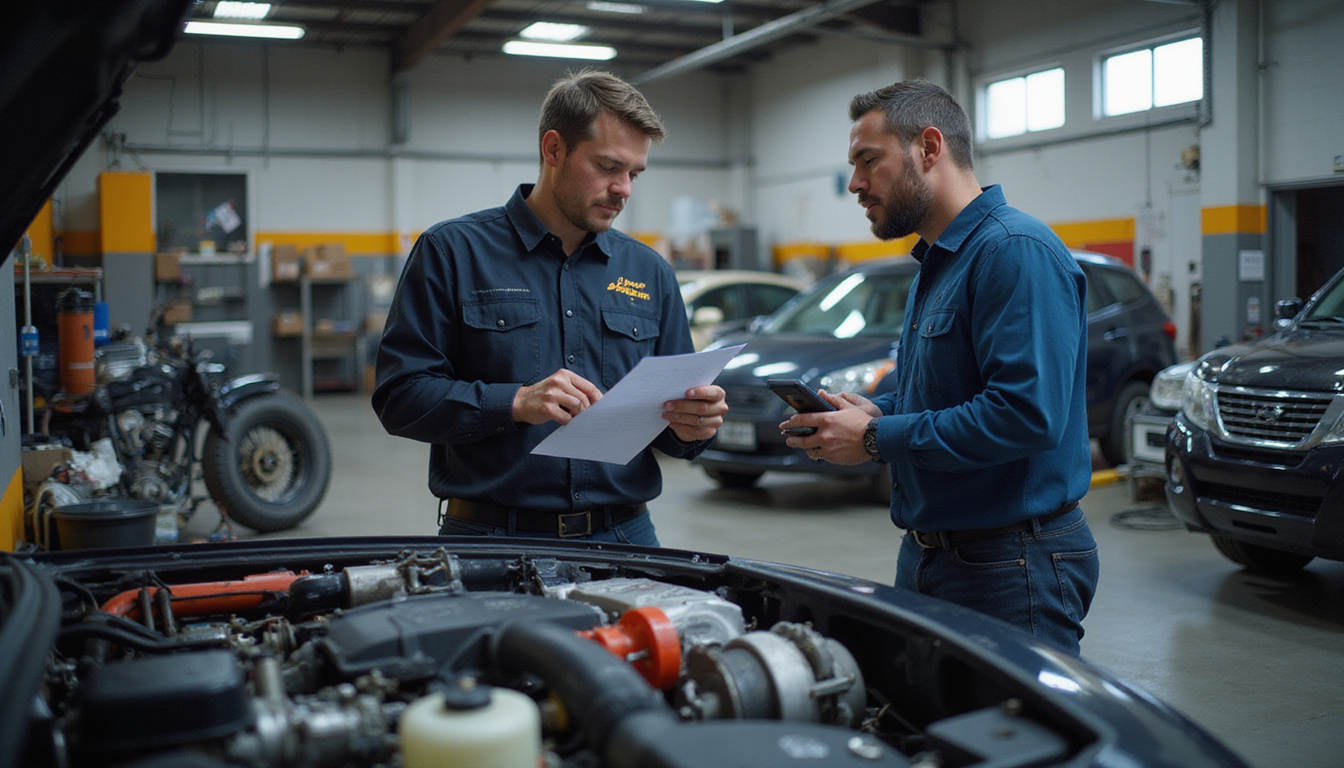
5. Protect the drivetrain: smooth, smart driving habits
Your daily driving style plays a huge role in both vehicle pickup and long-term value. Abuse it now, and you’ll pay later at trade-in time.
Warm up responsibly, drive smoothly
- Avoid hard acceleration on a cold engine. Give it a couple of minutes of gentle driving so oil can fully circulate.
- Use smooth, progressive throttle inputs rather than stabbing the gas.
- Let the transmission complete shifts; don’t constantly force kickdowns by mashing the pedal.
These habits minimize wear on engine, transmission, and drivetrain components, preserving the crispness of vehicle pickup over years instead of months.
Don’t ignore early warning signs
Any of these symptoms can signal issues that hurt both performance and value:
- Hesitation or stumbling on acceleration
- Delayed or harsh shifting
- Unusual noises under load (knocking, pinging, whining)
- Warning lights (especially check engine, transmission, or traction control)
Address them early. Small fixes—like ignition coils or sensors—are far cheaper than major repairs, and having “no warning lights” on the dash during a test drive is a big selling advantage.
6. Keep the engine bay and records buyer-ready
Perception matters. A car that looks and feels “fastidiously maintained” can command more money, even if its specs are identical to a similar model.
Clean, not detailed to death
- Engine bay cleaning: A gently cleaned engine bay (no caked oil or grime) looks better and makes leaks easier to spot. Avoid soaking electronics; use light degreaser and microfiber cloths.
- No fake shine: Buyers are wary of freshly painted engine parts or heavy dressing that might hide issues. Aim for tidy and dry, not showroom-glossy plastic.
Build a paper trail
Keep a folder (or digital file) with:
- All maintenance invoices (oil, filters, tires, brakes, fluids).
- Any performance-related upgrades, with brand names and part numbers.
- Pre-sale inspections or alignment reports.
When buyers see that vehicle pickup was cared for through disciplined maintenance—not just hard driving—they’re more willing to pay top dollar.
7. Detail the car so performance feels “new” on the test drive
A clean, solid-feeling vehicle can feel faster and more eager simply because your brain associates cleanliness and tightness with newness.
Focus on:
- Interior: Clean pedals and floor mats, repair sticky throttle or brake pedal feel. Ensure no clutter rolls around during the test drive.
- Exterior: Clean glass improves visibility and confidence at speed. Remove unnecessary decals or stickers that might suggest hard use (e.g., track days, racing clubs).
- Smell and sound: Eliminate rattles where possible, and avoid strong fragrances that could cause suspicion or headaches on a test drive.
Buyers test acceleration and passing capability. If the car pulls well, tracks straight, and feels solid with no rattles or squeaks, it stands out in their memory.
8. Simple driving and maintenance hacks, summarized
Use this checklist to keep vehicle pickup sharp and resale value high:
- Change oil, air filter, and spark plugs on schedule; use quality parts.
- Service transmission fluid and filter according to manufacturer guidelines.
- Keep tires properly inflated; choose sensible, not oversized, wheels and tires.
- Remove unnecessary weight and unused roof racks or cargo attachments.
- Get a professional alignment and fix worn suspension or steering components.
- Drive smoothly; avoid hard acceleration on a cold engine.
- Address warning lights and acceleration issues early—don’t delay diagnostics.
- Keep a clean, dry engine bay and organized maintenance records.
- Choose mild, reputable performance upgrades (if any) and keep stock parts.
- Detail interior and exterior before any inspection, appraisal, or sale.
FAQ: Common questions about vehicle pickup, performance, and value
Q1: How can I increase my vehicle pickup without hurting reliability?
Focus on maintenance before modifications: fresh plugs, clean filters, proper fluids, good tires, and a correct alignment. If you add upgrades, stick to conservative, well-reviewed options (like mild tunes or OEM-plus intakes) and avoid extreme power increases that stress the drivetrain.
Q2: Do performance upgrades actually increase resale value?
Some do, some don’t. Factory or dealer-backed performance packages and subtle, high-quality upgrades can help. Cheap, loud, or poorly installed mods often reduce your buyer pool and resale price. In many cases, a well-maintained, mostly stock vehicle with strong, consistent pickup is worth more than a heavily modified one.
Q3: What maintenance most affects pickup and fuel economy?
Engine oil, air filter, spark plugs, tire pressure, and transmission fluid are the big five. Neglect any of these and you’ll feel it in sluggish acceleration and poor mileage. Keep them on schedule and your vehicle pickup will remain crisp, which buyers notice immediately on test drives.
Improving vehicle pickup is about more than feeling faster off the line; it’s about preserving the health, responsiveness, and desirability of your car over time. Start with the foundational hacks in this guide, document what you do, and you’ll enjoy a more satisfying drive today and a stronger negotiating position when you decide to sell.
If you’d like help building a personalized maintenance and upgrade plan tailored to your specific vehicle, mileage, and budget, reach out to a trusted local mechanic or performance shop now and ask for a “performance and resale optimization” consultation. A single, well-planned visit can set you up for years of better driving and a higher resale check when you’re ready for your next vehicle.
Junk Guys San Diego
Phone: 619-597-2299
Website: www.olive-deer-348861.hostingersite.com
Email: junkguyssd619@gmail.com