
Tree removal is one of those home or property maintenance tasks that most people don’t think about until it becomes urgent—and expensive. Whether you have a diseased oak leaning toward your roof or a dead pine threatening the neighbor’s fence, knowing how tree removal works can help you lower costs while dramatically improving safety for people and property.
Below you’ll find practical, expert-backed strategies to decide if a tree really needs to come down, how to plan a safe tree removal, and where you can save money without cutting corners on safety.
When Does a Tree Actually Need to Be Removed?
Not every problem tree needs to be cut down. Sometimes strategic pruning, cabling, or disease treatment is enough. Yet delaying necessary tree removal can create serious hazards.
Common warning signs a tree should be removed
If you notice any of the following, get a certified arborist to inspect the tree:
- Large dead branches high in the canopy
- Visible trunk cracks, cavities, or deep splits
- Significant lean that has recently worsened
- Fungus or mushrooms growing around the base
- Extensive bark loss or large areas of decay
- Root lifting, exposed roots, or heaving soil
- Tree repeatedly dropping large limbs in calm weather
In urban and suburban settings, tree removal is more likely when the tree is:
- Too close to structures or power lines
- Undermining foundations, driveways, or utilities
- Severely storm-damaged or lightning-struck
- Infested with pests like emerald ash borer beyond treatment
The key cost-saving move is early diagnosis. Catching problems before they become emergencies typically makes tree removal safer, simpler, and cheaper.
DIY vs Professional Tree Removal: The Real Safety Equation
It’s tempting to think you can save hundreds of dollars by tackling tree removal yourself. For small trees away from structures, that can be true. For anything larger, the risk multiplies fast.
Why professional tree removal is often safer and cheaper in the long run
Certified arborists and reputable tree services bring:
- Specialized training in tree physics, cutting techniques, and hazard assessment
- Professional-grade equipment, including ropes, rigging, cranes, and stump grinders
- Crew coordination, so there’s always spotters and ground support
- Insurance coverage in case something goes wrong
Homeowners with a chainsaw, a ladder, and good intentions frequently underestimate:
- How far branches can swing or fall
- The weight and internal stress of large limbs
- Kickback risks on chainsaws
- How quickly a misjudged cut can pivot a tree toward a house or power line
For trees near structures, utilities, or with any decay, paying for professional tree removal is almost always the safest — and ultimately least expensive — choice when you consider potential damage, medical bills, or legal liability.
What Drives the Cost of Tree Removal?
Understanding what goes into pricing helps you avoid overpaying and recognize a fair quote.
Main factors that affect tree removal cost
-
Tree height and size
Larger, taller trees require more time, more cuts, and more crew. A 25-foot ornamental tree may be a quick half-day job; a 70-foot oak overhanging a house is an entirely different operation. -
Tree condition
- Healthy, structurally sound trees are more predictable.
- Dead or rotten trees are unstable and often more complex to remove safely.
-
Location and accessibility
- Front yard tree with driveway access = easier.
- Backyard tree behind fences, sheds, or pools = more labor and rigging.
- Limited access may require climbing or even a crane.
-
Proximity to hazards
- Power lines, roofs, glass structures, or busy roads all raise complexity.
- Precision rigging and more protective measures increase the price.
-
Debris handling and stump work
- Cutting and leaving logs on site is cheaper.
- Hauling wood, chipping branches, and stump grinding add to the total.
-
Emergency or storm work
- After-hours, storm-damaged, or immediate-response calls are priced higher.
- Hazard pay and urgent scheduling factor in.
By understanding these elements, you’ll be better equipped to evaluate tree removal quotes and identify reasonable cost ranges for your situation.
Smart Ways to Lower Tree Removal Costs (Without Sacrificing Safety)
You can’t change the size of your tree or where it’s growing, but you can control how you plan and structure the job. These strategies can significantly lower your total bill:
1. Handle some of the work yourself
Ask the tree service if you can:
- Keep the firewood on site (they just cut to length and stack)
- Handle cleanup of small branches and sawdust
- Dispose of wood chips yourself, or use them as mulch
Often, “full-service” removal is priced highest. If you’re willing and able to manage some debris, you can reduce labor costs.
2. Schedule non-urgent work in the off-season
In many regions, winter or mid-summer can be slower periods for tree companies. If your tree removal isn’t an emergency, ask about:
- Off-season discounts
- Flexible scheduling windows
- Grouping your job with nearby work for a better rate
Being flexible lets the company optimize their crew time, and they may pass some savings along.
3. Bundle multiple tree services
If you have several trees that need pruning, removal, or health assessments, do them together:
- One site visit, one mobilization cost
- Often lower per-tree pricing for multiple removals
- Opportunity for a long-term relationship and better future rates
4. Get multiple detailed quotes
Obtain at least three written estimates, and compare:
- Scope of work (what exactly is included)
- Cleanup and disposal terms
- Stump grinding pricing
- Insurance and certification details
Don’t automatically choose the lowest bid. Extremely low prices can signal poor insurance coverage, inexperienced crews, or corner-cutting on safety.
5. Confirm whether a permit is required
Some cities require permits for tree removal, and doing the work without one can result in hefty fines. Call your local municipality or check online before cutting. Sometimes, the tree company will handle permits as part of their service—for a fee that’s usually less than the cost of non-compliance.
How to Choose a Safe, Reputable Tree Removal Service
The right contractor is the single most important factor in both safety and cost-effectiveness.
Key things to verify before hiring
Use this checklist when you’re evaluating tree removal companies:
- Certification: Do they have an ISA Certified Arborist on staff? (International Society of Arboriculture)
- Insurance: Ask for proof of liability AND workers’ compensation coverage. Confirm directly with the insurer if you’re unsure.
- Written estimate: Does it clearly state:
- How the tree will be removed
- What happens to the wood and debris
- Whether stump grinding is included
- Start and completion timeframe
- Equipment and methods:
- Will they climb, use a bucket truck, or a crane?
- How will they protect lawns, gardens, and nearby structures?
- References and reviews:
- Check online reviews and ask for local references.
- Look for consistent comments about safety, cleanliness, and reliability.
According to the Tree Care Industry Association, improper tree work is a leading cause of severe injuries and property damage in the green industry, underscoring the need to hire qualified professionals (source: Tree Care Industry Association).
Safety Best Practices During Tree Removal
Even when you’ve hired professionals, you still have a role in keeping the site safe and the job smooth.
How homeowners can support a safe job site
- Create clear access: Move vehicles, outdoor furniture, and obstacles from driveways and work paths.
- Keep people and pets inside: Tree removal zones are hazardous; children and pets should be kept well away.
- Identify underground utilities: Inform the crew about septic systems, irrigation lines, or shallow utilities near the work area.
- Clarify property lines: If the tree is near a boundary, ensure everyone understands where the line is to avoid disputes.
- Discuss communication: Agree on who the crew leader is and how you’ll communicate if you have concerns mid-job.
Well-prepared sites reduce time on the job, which can help control costs and reduce the chance of accidents.
What About the Stump? Options After Tree Removal
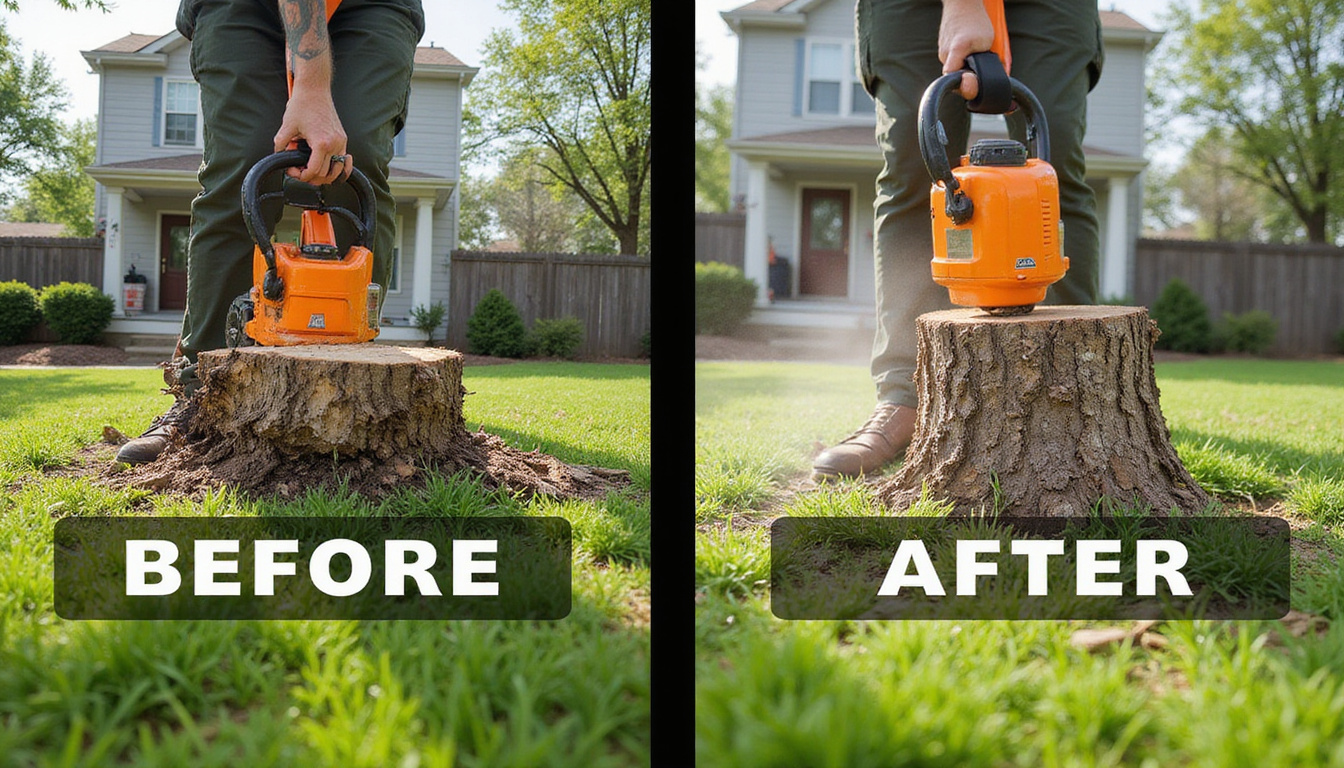
Once the main tree removal is complete, you’ll have to decide what to do with the stump. Leaving it can attract pests, create a tripping hazard, or interfere with landscaping plans.
Common stump options
-
Stump grinding
- A machine grinds the stump below ground level (often 4–12 inches).
- Fast, relatively affordable, and leaves the area replantable once you remove or settle the chips.
-
Full stump removal
- Entire stump and roots are excavated.
- More disruptive and expensive, usually reserved for construction sites or foundation work.
-
Leave in place (short term)
- If budget is tight, you can leave the stump and grind it later.
- Consider cutting it low and keeping it visible to avoid trips or mower damage.
Including stump grinding in your original tree removal contract is often cheaper than hiring a separate service later.
Aftercare: What to Do With the Space Post-Removal
Removing a mature tree changes your landscape dramatically. Planning ahead can help you maximize the benefits.
Smart next steps after tree removal
- Evaluate sun and shade changes: You may now be able to grow vegetables, sun-loving flowers, or a new lawn area.
- Consider replanting wisely:
- Choose species appropriate for the site and climate.
- Plant farther from structures and utilities than the previous tree.
- Improve soil:
- Remove excess wood chips or mix them with soil if you plan to replant.
- Use compost to rebuild healthy, living soil where roots were removed.
- Inspect surrounding trees:
- Stress on neighboring trees may change; ask an arborist to check their health and stability.
Thoughtful replanting ensures you maintain tree benefits—shade, beauty, wildlife habitat—without repeating past problems.
FAQ About Tree Removal and Safety
Q1: How much does professional tree removal typically cost?
Costs vary widely by size, location, and difficulty. Small trees might be a few hundred dollars, while large or hazardous removals can run into the thousands. Getting multiple quotes from insured professionals is the best way to understand fair pricing for your specific tree.
Q2: Is it safe to do my own tree removal with a chainsaw?
DIY removal may be reasonable for small trees in open areas, but larger or leaning trees, or those near structures or power lines, should be handled by experts. The risk of injury, property damage, and liability often outweighs any savings from do-it-yourself tree cutting.
Q3: Do I need a permit for tree cutting or removal on my property?
Many cities and HOAs regulate tree removal, especially for large, protected, or street-adjacent trees. Always check local ordinances or call your municipality before starting. A reputable tree service can often advise you or handle the permit process.
Take Control of Tree Removal—Safely and Cost-Effectively
A problem tree doesn’t have to turn into a financial or safety nightmare. By recognizing early warning signs, understanding what drives tree removal costs, and choosing a qualified, insured professional, you protect your home, your family, and your budget.
If you’re facing a questionable tree right now—leaning, diseased, or just uncomfortably close to your house—don’t wait for the next storm to force your hand. Schedule an on-site assessment with a certified arborist, gather a few detailed quotes, and use the strategies above to negotiate a safe, efficient, and fairly priced removal.
Acting now not only reduces risk; it also gives you time to plan a healthier, better-placed replacement tree that will add beauty and value to your property for decades to come.
Junk Guys San Diego
Phone: 619-597-2299
Website: www.olive-deer-348861.hostingersite.com
Email: junkguyssd619@gmail.com