
If you’ve ever looked at your yard after a storm, a big DIY project, or a season of neglect and thought, “Where do I even start?” you’re not alone. Efficient debris pickup is both an art and a system. Pros don’t just work harder—they work smarter, using methods that save time, protect their bodies, and keep disposal costs under control.
This guide breaks down the strategies professionals use so you can clear your yard fast, safely, and with less stress.
Step 1: Diagnose the debris before you touch anything
Before grabbing a rake or calling a junk hauler, pause and take stock. A quick assessment prevents wasted effort and costly mistakes.
Ask yourself:
-
What kinds of debris are present?
Branches, leaves, grass clippings, dirt, scrap wood, metal, concrete, roofing shingles, household junk, or hazardous materials? -
How much volume are you dealing with?
A few bags, a pickup truck load, or multiple cubic yards that might need a dumpster? -
Are there safety concerns?
Nails, broken glass, sharp metal, unstable piles, downed power lines, or possible asbestos/lead paint from old building materials? -
What’s your disposal plan?
Yard waste bin, composting, municipal bulk pickup, transfer station, recycling center, or professional debris pickup service?
Pros spend a few minutes doing this “walkthrough” because it dictates tools, labor, and what disposal options are legally allowed.
Step 2: Gear up like a pro (and avoid injuries)
Fast cleanup is useless if you end up injured. Professional debris pickup crews rely on basic but essential safety gear.
Essential protective gear
- Heavy-duty work gloves (cut-resistant if dealing with metal or glass)
- Sturdy, closed-toe boots with good traction
- Safety glasses or goggles
- Long pants and long sleeves
- Dust mask or respirator if there’s fine dust, mold, or insulation
- Hearing protection if using loud power tools or chipper/shredder
Time-saving tools pros love
Investing in the right tools can cut your cleanup time in half:
- Sturdy rake and leaf rake for different debris sizes
- Contractor-grade trash bags (thicker, less tearing)
- Wheelbarrow or garden cart to move material in larger loads
- Tarp for “drag-and-dump” hauling of leaves and small branches
- Loppers and pruning saw for cutting long branches into manageable pieces
- Grabbers or trash tongs for litter and small, sharp items
- Chainsaw (with training) for large downed branches or limbs
Pros lay out tools before they start, so they’re not constantly running back to the shed.
Step 3: Use the “zones and passes” method
One of the biggest time-wasters in debris pickup is zig-zagging randomly around the yard. Professionals use a simple method:
1. Divide the yard into zones
Split your yard into 3–6 logical sections:
- Front yard
- Side yards
- Backyard
- Driveway and sidewalk
- Around structures (shed, fence, playset)
- Garden beds
Work one zone at a time and finish it completely before moving on. This gives you visible progress and keeps the job from feeling overwhelming.
2. Make multiple passes with different goals
Instead of trying to pick up every last leaf on the first pass, organize your work:
- Pass 1 – Big items: Branches, limbs, boards, big junk items.
- Pass 2 – Medium debris: Smaller sticks, pinecones, palm fronds, loose trash.
- Pass 3 – Fine cleanup: Leaves, grass clippings, small litter.
This “coarse-to-fine” approach is how professional crews move quickly without getting bogged down in details too early.
Step 4: Sort as you go to cut disposal costs
Sorting while you work might feel slower at first, but it saves you money and time at the dump or transfer station.
Basic sorting categories
Set up a few dedicated piles or containers:
- Green waste: Leaves, grass, small branches, non-invasive plant material
- Wood waste: Larger branches, untreated lumber
- Recyclables: Metal, clean cardboard, certain plastics (check local rules)
- Household junk: Broken furniture, toys, plastic items, tarps, etc.
- Hazardous or special items: Paint, chemicals, electronics, batteries, fluorescent bulbs
This sorting matters because:
- Many cities collect yard waste separately or for free, while mixed loads cost more.
- Clean wood and green waste can sometimes be chipped, composted, or accepted at reduced rates.
- Some hazardous items are illegal to dump in regular trash and carry fines (source: U.S. EPA guidelines).
Step 5: Master pro-level techniques for speed
Here’s where real time savings happen. These are small technique changes professionals use in every debris pickup job.
The “tarp drag” method
For leaves and small debris:
- Lay a tarp flat on the ground.
- Rake or toss material onto the tarp.
- Gather corners and drag the tarp to your disposal area or curb pile.
- Dump and repeat.
This reduces trips versus using small bags and is easier on your back than carrying heavy loads.
Stack branches the right way
When handling branches:
- Always keep cut ends aligned in one direction.
- Make long, low stacks rather than tall, unstable piles.
- Cut larger limbs into 4–6 foot sections (or whatever your city requires).
This makes dragging, carrying, or bundling branches much faster, and if you’re hiring a chipper service, they’ll process aligned branches far more efficiently.
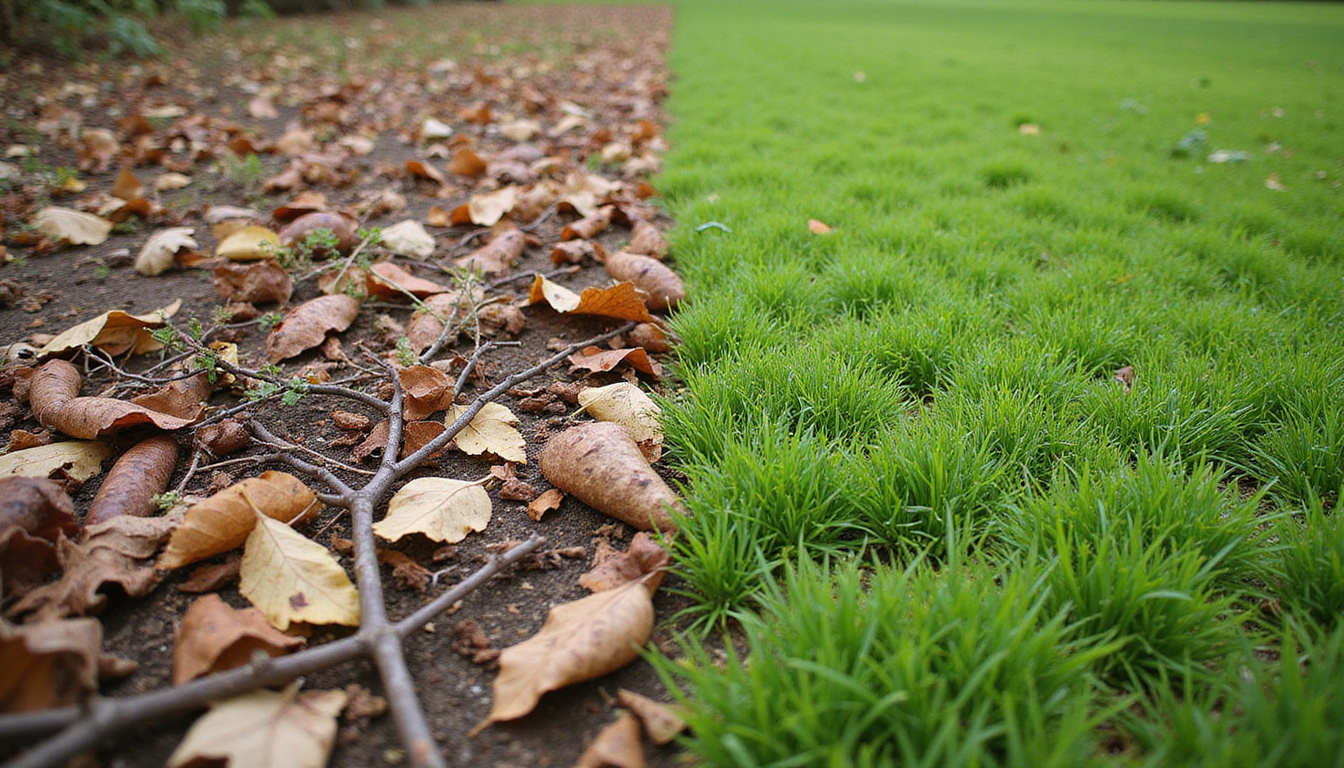
Use gravity and proximity
- Start at the farthest point from your disposal location and work your way toward it. Now you’re always moving debris downhill (in distance or actual elevation) toward your final pile.
- Position your main pile or dumpster as close as practically possible to the largest volume of debris.
Less walking = faster cleanup.
Step 6: Know when to bag, bundle, or bulk pile
Different types of debris need different handling to meet city or hauler rules.
Bagging
Best for:
- Leaves and fine debris
- Small trash, weeds, and small clippings
Tips:
- Don’t overfill; keep bags manageable to prevent tearing and injuries.
- Use paper yard bags if required by your municipality.
Bundling
Best for:
- Branches and sticks over 3–4 feet long
Tips:
- Use twine or rope (not wire) if city has length/diameter requirements.
- Aim for easy-to-lift size; remember city workers or haulers have to move these.
Bulk piles
Best for:
- Very large amounts of branches or mixed yard waste
- Storm debris too big for normal pickup
Tips:
- Check your city’s bulk debris pickup schedule, volume limits, and placement rules.
- Keep piles clear of fire hydrants, mailboxes, and low-hanging wires.
Step 7: Decide between DIY and professional debris pickup
Sometimes hiring help is actually the faster and cheaper option when you factor in your time and equipment.
DIY is usually best when:
- You have manageable volume (a few bags or one pickup-truck load).
- You already own basic tools and a vehicle for hauling.
- Local yard waste services are convenient and affordable.
- You’re physically able to handle the work safely.
Professional help is worth it when:
- Debris covers a large property or acreage.
- There’s heavy or dangerous material (large limbs, partial tree falls, construction debris, roofing material).
- You’re dealing with post-storm cleanup under time pressure.
- Local rules for disposal are complicated, or you’d need to rent a dumpster/truck anyway.
When comparing costs:
- Ask about volume pricing (by cubic yard) vs. flat fees.
- Confirm what’s included: loading, hauling, dumping fees, and any surcharges for heavy or special items.
- Check online reviews focused on punctuality and cleanup quality.
Step 8: Don’t skip the final sweep
The last 10% of the job is what makes your yard look “professionally cleaned,” not just “less messy.”
Final polish checklist
- Walk the yard with a 5-gallon bucket and pick up any scattered trash or small debris.
- Use a blower or stiff broom to clear walkways, patios, and driveways.
- Check fence lines, under shrubs, and corners where debris hides.
- Make sure gates and access paths are clear for future maintenance.
A clean finish doesn’t take long and dramatically improves curb appeal.
Step 9: Prevent debris buildup next time
The best debris pickup secret: make the next cleanup easier from the start.
Simple prevention strategies
- Schedule seasonal cleanups (spring and fall) rather than waiting years.
- Prune trees regularly to reduce storm damage and fallen branches.
- Install gutter guards to prevent roof overflow washing debris into the yard.
- Keep designated storage areas for lumber, project scraps, and yard tools so they don’t become “mystery junk piles.”
- Use mulch in garden beds to minimize weed growth and soil erosion.
Regular, smaller cleanups are faster, cheaper, and less overwhelming than big, sporadic efforts.
Quick action checklist: professional-style debris pickup
Use this simple checklist to structure your next cleanup:
- Walk the yard and assess volume, hazards, and disposal options.
- Gear up with gloves, boots, and eye protection; gather tools in one spot.
- Divide the yard into zones and plan your route.
- Make passes: large items first, then medium debris, then fine cleanup.
- Sort debris into green waste, wood, recyclables, junk, and hazardous items.
- Use tarps, wheelbarrows, and aligned branch piles to speed movement.
- Bag, bundle, or bulk pile according to local collection rules.
- Decide if any part of the job needs a professional debris pickup crew.
- Do a final sweep and blower pass for a polished finish.
- Plan simple prevention steps for next season.
FAQ: Yard waste and debris pickup questions
1. What’s the cheapest way to handle yard debris pickup?
The lowest-cost option is usually to separate clean yard waste (leaves, grass, small branches) and use your city’s yard waste bins or drop-off centers if available. Mixing in trash or construction material often raises disposal fees. For larger volumes, compare the cost of a small dumpster vs. a local debris pickup service—sometimes hiring a crew for a couple of hours is cheaper than renting equipment and paying multiple dump fees.
2. Can I put construction debris with my yard debris for pickup?
In most areas, construction and demolition debris (concrete, drywall, shingles, tile, treated lumber) cannot go in normal yard waste. It usually needs separate disposal at a transfer station or through a junk/debris pickup company licensed for that type of material. Always check local rules; mixing these with yard waste can lead to rejected loads or extra charges.
3. How does storm debris pickup usually work after bad weather?
After major storms, municipalities often schedule special storm debris pickup with temporary rules and extended volume limits. Typically, they require you to place branches and vegetative debris at the curb in separate piles from other trash. Non-vegetative debris (fencing, roofing, siding) might need separate collection or private haulers. Check your city or county website soon after the storm for exact guidelines and deadlines.
Turn your next debris pickup into a fast, simple win
A cluttered yard can make your whole property feel out of control—but it doesn’t have to stay that way. With a quick assessment, the right gear, and a professional-style system of zones, passes, and smart sorting, you can turn an overwhelming mess into a clean, functional outdoor space in a single focused session.
If your yard is more than a weekend project—or you’re dealing with heavy, hazardous, or storm-related debris—consider bringing in a professional debris pickup service to handle the tough part while you focus on how you want to enjoy your clean yard next.
Start by walking your property today, making a quick plan using the checklist above, and either scheduling your DIY cleanup window or getting quotes from local pros. The sooner you begin, the sooner you reclaim a safe, tidy, and inviting outdoor space.
Junk Guys San Diego
Phone: 619-597-2299
Website: www.olive-deer-348861.hostingersite.com
Email: junkguyssd619@gmail.com