
Swing Set Removal Made Simple: How to Reclaim Your Yard Safely
If the kids are grown or your old play equipment is falling apart, swing set removal can instantly transform your yard. But taking down a heavy, weathered structure with rusted bolts and buried concrete isn’t as simple as it looks. Done wrong, it can cause injuries, property damage, or leave you with an ugly patch of dead grass and exposed hardware.
This guide walks you step-by-step through safe, efficient swing set removal so you can reclaim your outdoor space with confidence.
Step 1: Decide Whether to Remove, Repair, or Repurpose
Before you start unscrewing bolts, evaluate the current swing set carefully.
Consider:
- Safety – Is the structure wobbly, rusted, split, or missing fasteners? If it’s unsafe, removal is usually the best option.
- Age and materials – Older wood swing sets may have rot or insect damage; metal sets can have deep rust and sharp edges.
- Use – If kids barely use it, the space may be better for a garden, seating area, or new play equipment.
- Resale or donation potential – Newer or solid sets might be sold locally or donated if you disassemble carefully.
If you determine swing set removal is the right choice, move on to planning and safety.
Step 2: Plan the Project and Protect Your Yard
A bit of planning reduces risk and makes the job smoother.
Assess complexity
Ask yourself:
- How big is the structure?
- Is it anchored with concrete footings?
- Does it have extra pieces like a playhouse, slide tower, or monkey bars?
- Are there power lines or fences nearby?
Complex, multi-level playsets or those on slopes may require professional help.
Mark and clear the work area
- Clear at least 6–8 feet around the swing set. Remove toys, furniture, and yard décor.
- Mark underground utilities if you plan to dig up footings. Your local utility service can mark gas, electric, and water lines (often free in many regions).
- Protect lawn and plants by laying tarps where you’ll drop or stack debris to avoid rutting and soil compaction.
Step 3: Gear Up – Tools and Safety Equipment
Having the right tools makes swing set removal safer and faster.
Basic tools:
- Adjustable and socket wrenches
- Screwdrivers (Phillips and flat-head)
- Hammer and rubber mallet
- Pry bar or crowbar
- Reciprocating saw or handsaw (for wood)
- Metal cutting blades (for steel or aluminum parts)
- Power drill with appropriate bits
Safety gear:
- Safety glasses
- Heavy-duty work gloves
- Closed-toe boots or shoes
- Long sleeves and pants (for splinters and sharp edges)
- Dust mask if dealing with very old, flaking paint or treated wood
If the swing set is tall or on uneven ground, use a stable step ladder and have a helper hold it.
Step 4: Remove Accessories and Moving Parts First
Before dismantling the frame, eliminate anything that dangles, swings, or can unexpectedly move.
Work in this order:
-
Take off swings and chains
- Unclip chains from top hooks or unbolt them if they’re fixed.
- Lay them flat to avoid tripping hazards.
-
Remove slides
- Unscrew or unbolt attachment points at the platform.
- Slide the unit away carefully; many plastic slides are bulky and awkward.
-
Detach climbing accessories
- Remove rock-climbing holds, ropes, ladders, and trapeze bars.
- Look for hidden bolts on the underside.
-
Clear out small parts
- Collect bolts, nuts, washers, and brackets into buckets or containers.
- This reduces the chance of stepping on sharp pieces later.
Removing all moving parts first makes the structure lighter and more stable while you dismantle the frame.
Step 5: Disassemble the Structure from Top to Bottom
For safe swing set removal, always work from the top down, never bottom-up.
Stabilize first
- If the set is wobbly, use temporary supports or have a helper hold key posts while you unfasten pieces.
- Avoid pushing or pulling hard on weakened posts; they may snap unpredictably.
Disassemble in a safe sequence
A typical sequence:
-
Crossbeams and top bars
- Detach top railings and support beams while a helper supports their weight.
- Lower them to the ground in a controlled way; don’t let heavy pieces drop.
-
Upper platforms and rails
- Remove railings, roof panels, and upper decking.
- Take off small sections instead of trying to move large, heavy panels at once.
-
Ladders and side frames
- Unbolt side frames, A-frames, and climbing walls.
- If wood is rotted and screws are stuck, use a reciprocating saw to cut through boards or bolts as necessary.
-
Main posts and legs
- Once the upper structure is gone, remove vertical posts or legs.
- If they’re concrete-anchored, detach them at or just above ground level until you’re ready to deal with footings.
Throughout the process, keep your working area organized and stop if anything starts to lean or bend unexpectedly.
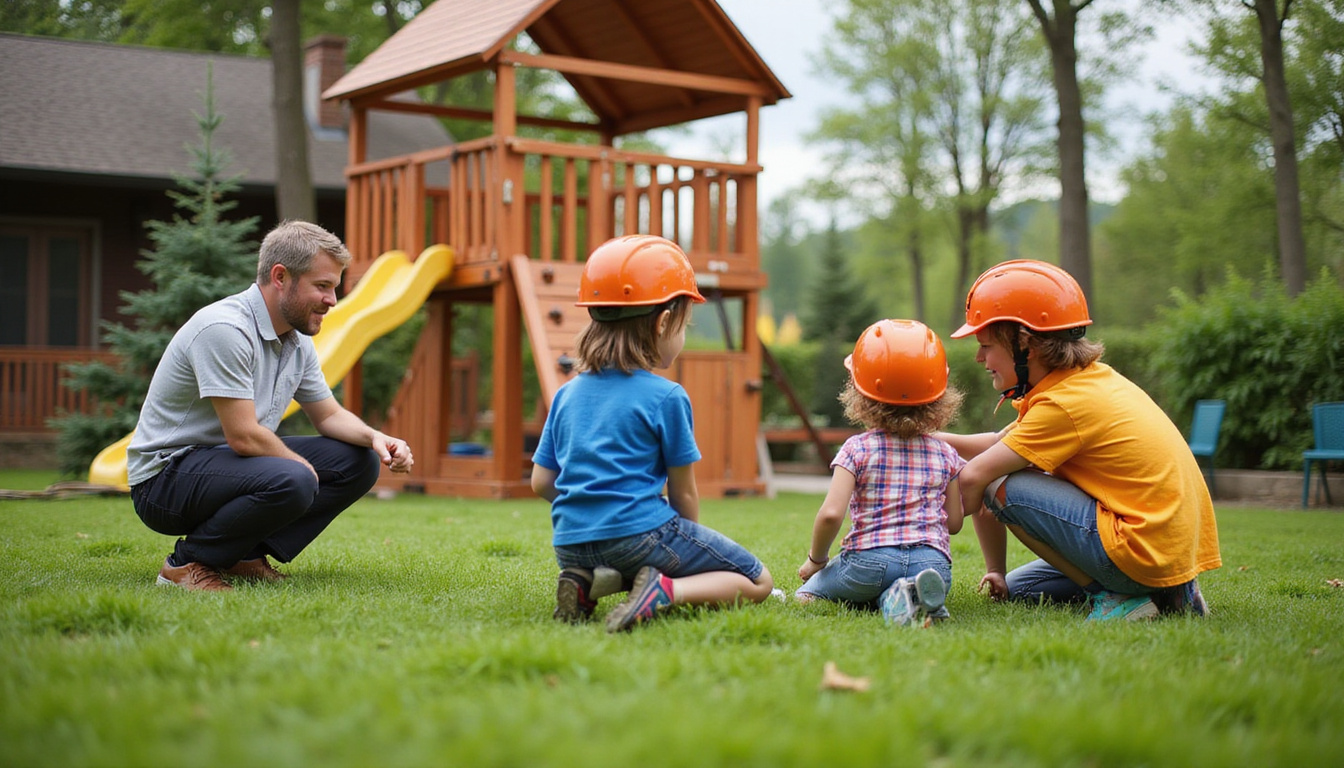
Step 6: Dealing With Anchors and Concrete Footings
Many swing sets are secured with concrete to prevent tipping. These footings can be the most labor-intensive part of swing set removal.
You have three main options:
-
Dig out the entire footing
- Use a shovel and digging bar to expose the whole concrete block.
- Work around the perimeter and undercut as needed.
- Lever out the footing and fill the hole with soil.
- This is best if you want to replant grass or install something else in the same spot.
-
Cut posts and leave buried concrete
- Cut wood or metal posts just below the soil line.
- Cover stub with topsoil and seed or sod.
- Faster and easier but leaves concrete in place, which may matter if you plan to dig there later.
-
Break up concrete in place
- Use a sledgehammer or small jackhammer to break the footing into smaller pieces.
- Remove or spread out chunks, then backfill and level.
- More physical, but lets you avoid lifting a single heavy block.
Always confirm there are no buried utilities before deep digging, and watch for rebar or metal anchors within the concrete.
Step 7: Sort, Dispose, or Recycle Swing Set Materials
Once everything is down, you’ll have a mix of wood, metal, plastic, and hardware. Responsible disposal is a key part of swing set removal.
Separate by material
- Wood – Pressure-treated lumber should not be burned and often needs to go to a landfill or approved facility. Untreated wood may be chipped or reused.
- Metal – Steel and aluminum can frequently be recycled at scrap yards or municipal recycling centers.
- Plastic – Slides and molded components might be accepted with bulky waste or at specialized plastic recycling facilities.
- Hardware – Collect screws, bolts, and brackets; most are recyclable metal.
Check your local municipality’s bulk pickup or drop-off rules. Many cities have separate guidelines for treated wood and large metal items (source: U.S. EPA – Household Waste Management).
Consider donation or resale
If parts of the swing set are still in safe, usable condition:
- Offer them on local marketplaces or neighborhood groups.
- Donate to community organizations, preschools, or faith centers—if they accept used play equipment and it meets safety standards.
Always disclose age and condition honestly.
Step 8: Restore the Yard After Swing Set Removal
The last phase is making the space look like the swing set was never there.
Fill holes and level the ground
- Backfill post holes with compacted soil in layers to prevent future sinking.
- Add a slight mound on top; it will settle with rain and time.
Rejuvenate soil and grass
Areas under swings often have compacted soil and bare patches:
- Loosen compacted soil with a garden fork or aerator.
- Add compost or topsoil to improve structure and fertility.
- Rake smooth and seed with grass or lay sod for an instant fix.
- Water consistently until new growth is established.
Plan the new space
Once the ground is level and green again, think about how to use the reclaimed area:
- A seating or fire pit area
- A vegetable or flower garden
- A smaller, age-appropriate play zone
- A storage shed or pergola
Designing the next phase of your yard helps the effort of swing set removal feel especially rewarding.
When to Hire Professional Swing Set Removal Services
DIY isn’t always the best choice. Consider hiring pros if:
- The swing set is extremely large or multi-level.
- It’s heavily rusted or clearly unstable.
- It’s close to windows, fences, or property lines where a fall could cause damage.
- You don’t have the physical ability, tools, or time for the job.
Professional junk removal or demolition services can:
- Disassemble and haul everything away in one visit.
- Manage heavy concrete and metal safely.
- Provide proper disposal or recycling.
When getting quotes, ask if disposal fees are included and whether they separate recyclables.
Common Mistakes to Avoid During Swing Set Removal
Learning from others’ missteps can save you from headaches or injuries.
Avoid:
- Working alone on large structures – You need at least one helper to support beams or hold ladders.
- Removing lower supports first – This can cause sudden collapse. Always start at the top.
- Ignoring rust and rot – Compromised parts can snap without warning; treat them gently and support them well.
- Leaving hardware in the ground – Buried bolts or cut metal can pose hazards for kids and lawn equipment.
- Skipping safety gear – Gloves and eye protection are essential when cutting, prying, or hammering.
Taking a methodical, safety-first approach ensures your swing set removal is smooth—and your yard is ready for what’s next.
FAQ: Swing Set Removal and Yard Restoration
1. How much does swing set removal cost if I hire a pro?
Costs vary by size, materials, and local rates, but swing set removal by a professional service typically runs from $150 to $500. Larger wooden playsets with roofs, platforms, and concrete footings may be on the higher end due to added labor and disposal fees.
2. Can I recycle parts after removing a metal swing set?
Yes. After you complete your metal swing set removal, separate steel or aluminum pieces from plastic and wood. Most scrap yards and municipal recycling centers accept metal, and you may even get a small payment for clean, sorted metal.
3. How do I fix the ground after backyard swing set removal?
Following backyard swing set removal, fill in any post holes with compacted soil, aerate the compacted play area, and add fresh topsoil. Reseed with grass or lay sod, then water regularly until the area blends in with the rest of your lawn.
Reclaiming your yard with thoughtful, safe swing set removal doesn’t have to be overwhelming. With the right tools, a clear plan, and attention to safety, you can take down aging equipment, repair the ground, and open up space for new possibilities.
If you’re ready to transform your outdoor space—whether that means a peaceful seating area, a garden, or a new play zone—start planning your swing set removal today. And if the job feels too big or time-consuming, reach out to a local removal or junk-hauling service to handle the heavy lifting so you can enjoy your refreshed yard sooner.
Junk Guys San Diego
Phone: 619-597-2299
Website: www.olive-deer-348861.hostingersite.com
Email: junkguyssd619@gmail.com