If your recycling pickup keeps flagging your bin as “contaminated” or leaving items behind, you’re not alone. Municipal facilities are stricter than ever about what they accept, and a few wrong items can cause an entire truckload to be downgraded to trash. The good news: with a few simple hacks, you can dramatically reduce contamination in your bin and make your recycling pickup cleaner, faster, and more reliable.
Below are practical, real-world tactics you can start using with your very next collection.
Why clean recycling pickup matters more than you think
Contaminated recycling doesn’t just get pulled out and tossed individually—it can spoil entire batches. When food residue, plastic bags, or unrecyclable materials enter the stream:
- Sorting equipment gets jammed.
- Workers are exposed to hazards like broken glass or sharp metal.
- Bales of recyclables are rejected, increasing landfill waste and costs.
Some cities now refuse or fine severely contaminated bins. Keeping your recycling pickup clean is one of the easiest ways to reduce waste and make the system more efficient for your whole community.
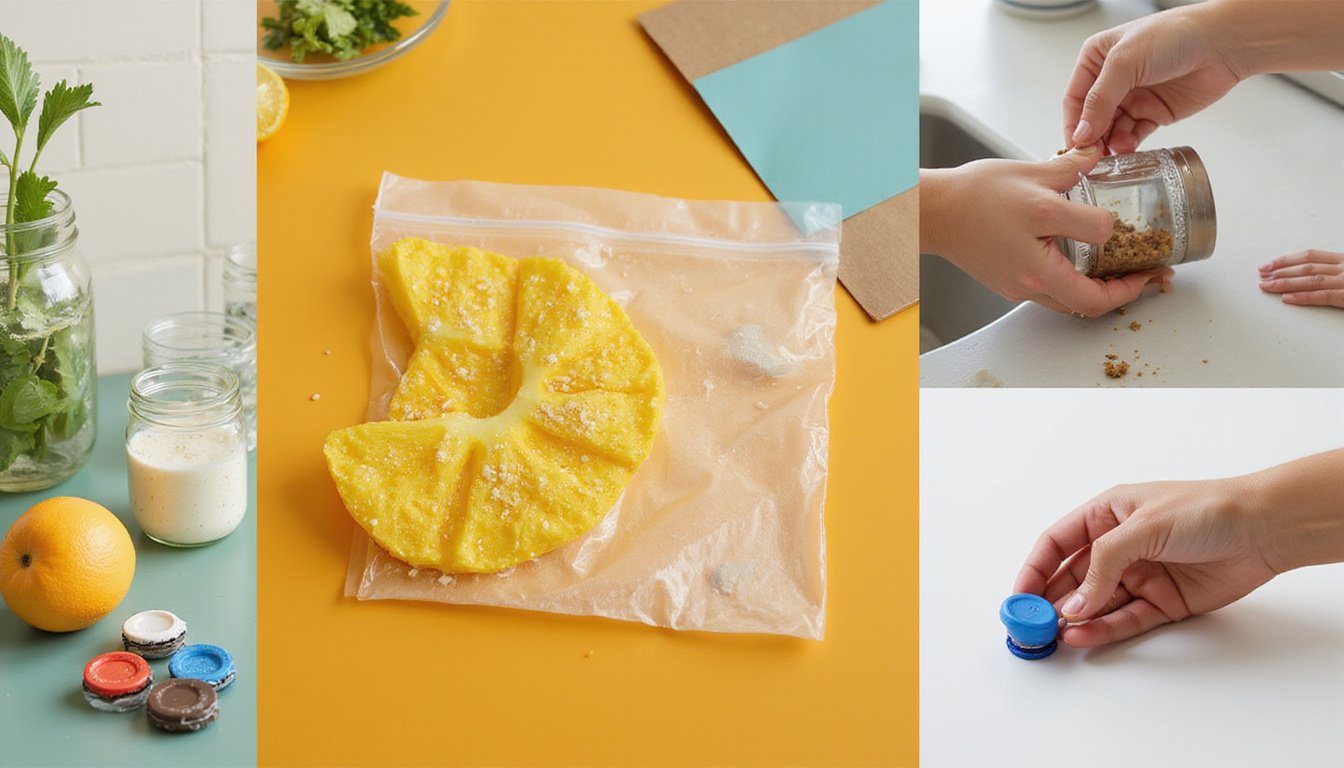
Hack #1: The 10-second rinse rule
One of the biggest causes of recycling contamination is food and liquid residue. The trick is not to make rinsing a burden.
Use the 10-second rinse rule:
- If it takes 10 seconds or less with leftover dishwater or a quick tap rinse, do it.
- If it would require scrubbing, soaking, or a lot of water, it might not be worth recycling in your area.
Focus rinsing on:
- Bottles (sauces, drinks, oils where accepted)
- Jars (salsa, jam, peanut butter—scrape first)
- Cans (soup, vegetables, pet food)
A quick rinse reduces odors, pests, and mold in your bin and makes sorting at the facility far easier. Don’t obsess over making items spotless—“mostly clean” is usually enough unless your city says otherwise.
Hack #2: Know your local “Yes, No, Maybe” list
Recycling rules vary dramatically by city and hauler. What’s accepted in one program might be rejected next door. To avoid contamination, you need a clear local list—not just generic advice.
Do this once and save yourself years of guesswork:
- Visit your city or hauler’s website and search “recycling guidelines” or “what goes in my bin.”
- Download or screenshot their accepted materials list.
- Note three categories:
- Always yes: What’s consistently accepted at curbside.
- Always no: What never belongs in your recycling pickup.
- Special drop-off only: Items accepted at depots or events, but not curbside.
Many municipalities offer online tools where you can search individual items (e.g., Recycle Coach or local “What Goes Where” tools). The U.S. Environmental Protection Agency also provides general guidance on common recyclables and program variations (source: EPA).
Print the list or keep it on your fridge so everyone in the household sees it every day.
Hack #3: The “Two-Bin” system in your kitchen
Most contamination starts in the kitchen, where people toss items without thinking. A tiny change in layout can dramatically improve your recycling pickup quality.
Set up a simple two-bin system:
-
Bin 1 – Trash
For anything your city says is not recyclable curbside: food scraps, plastic wrap, broken glass, foam, certain plastics, etc. -
Bin 2 – Prep for recycling
For items that need a quick rinse or flattening before they go into the outside recycling bin.
Train yourself and other household members to pause for two seconds and choose the right indoor bin. Then, once a day (or as needed), move items from the “prep for recycling” bin to the outside recycling pickup cart after rinsing/flattening.
This small habit stops half-hearted rinsing and “wishcycling” (hoping something is recyclable when it’s not) before it even reaches the curb.
Hack #4: Stop “wishcycling” with a simple decision rule
“Wishcycling” is putting something in the recycling bin because you hope it’s recyclable. It’s one of the top sources of contamination.
Use this simple rule when you’re not sure:
When in doubt, throw it out—unless your local guidelines clearly say otherwise.
This might feel wrong if you care deeply about the environment, but one wrong item can undermine an entire load of correct recyclables. A single chain or wire, for example, can jam equipment, and certain materials can degrade plastic or paper quality.
If you run into an item often (e.g., a specific package from online orders), look it up once and remember the answer.
Hack #5: The “No Bags” habit (and what to do instead)
In many curbside programs, one policy alone could eliminate a huge portion of contamination:
No plastic bags in your recycling pickup bin.
This includes:
- Grocery bags
- Trash bags (even if they’re full of recyclables)
- Produce bags
- Bubble mailers with plastic film
- Stretch wrap and shrink wrap
Bags and film tangle in sorting machinery, shut down lines, and can cause worker hazards. Instead:
- Empty loose recyclables directly into the bin.
- Reuse bags at stores that accept them or drop them at plastic bag recycling points, often found at supermarkets.
- If your hauler requires bagged paper or specific items, only bag those according to their instructions.
Check your local rules—some programs accept certain types of clear bags, but treating bags as “never curbside” is the safest baseline unless you see different guidance in writing.
Hack #6: Flatten, but don’t “nest”
Cardboard and paper too often turn into “bin monsters” that hog space and hide contamination. Smart flattening makes your recycling pickup much more effective.
Do:
- Break down cardboard boxes completely.
- Remove all plastic shipping tape and labels if requested by your program.
- Flatten cartons where accepted (like milk or juice cartons).
Don’t:
- Stuff small items into bottles, cans, or cartons (“nesting”).
- Fill a big box with mixed recyclables and throw the whole thing in.
Nesting confuses sorting machines and can cause multiple materials to be misclassified. A metal can inside a carton, for instance, may keep both items from being properly recycled.
Keep items separate and two-dimensional when possible. This helps optical scanners and manual sorters do their job correctly.
Hack #7: The three worst “bin killers” to avoid
Some materials can turn a decent bin into a rejected one instantly. Watch for these common “bin killers” and keep them out of your recycling pickup:
-
Food and liquid
- Full or half-full containers
- Greasy or heavily soiled pizza boxes (tear off clean lid and recycle that only, if accepted)
-
Tangles and sharps
- Hoses, wires, cables, chains, clothing
- Broken glass (wrap and place in trash if your city advises)
-
Wrong plastics and foams
- Foam packaging and Styrofoam food containers
- Black plastic (often not recognized by sorting machines)
- “Compostable” or “bioplastic” items—these typically do not belong in regular recycling
If you’re unsure about a “maybe” item, check your city’s app or chart. But in almost all curbside programs, these three categories are solid “no” items.
Hack #8: Label your bins so guests don’t ruin your load
You might be meticulous about recycling, but guests, kids’ friends, or new roommates aren’t reading your mind. One careless party or gathering can create enough contamination to get your recycling pickup rejected.
Create simple labels for your indoor and outdoor bins:
- “Recycling ONLY: Empty, clean, and loose items. NO bags, NO food, NO liquids.”
- “Trash: Food, bags, foam, dirty containers, etc.”
If you host events, put a short note above the bins so people know where cups, cans, and plates go. Consider:
- Recyclables: “Empty cups & cans only—no napkins, no food.”
- Trash: “Everything else.”
This one-time setup prevents dozens of awkward “Where does this go?” questions and preserves your bin quality.
Hack #9: Time your recycling prep with your routine
If recycling prep feels like extra work, you’re less likely to do it consistently. Fold it into routines you already have:
- Right after cooking or eating: Rinse cans and jars while washing dishes.
- Weekly cleaning: Break down boxes and carry them out with other trash.
- Mail sorting time: Open mail over your “paper only” spot and recycle immediately.
The goal is to make clean recycling pickup the default, not a special project.
Hack #10: Check your hauler’s “contamination warning” system
Many haulers now use tags, stickers, or digital notes to warn about contamination. Understanding their system helps you fix issues before they escalate.
Look for:
- Tag colors or codes: Yellow = warning, red = severe contamination, for example.
- Notes on the tag: “Bags in cart,” “Food waste,” “Wrong plastics,” etc.
- Online account or app: Some services post photos or notes of contaminated bins.
If you get a warning:
- Read it carefully and remove the problem items next time.
- If it’s unclear, call or email your hauler and ask for specifics.
- Share the feedback with everyone in your household so habits change.
Responding to one warning is far easier than dealing with fees or repeated missed pickups.
Quick checklist: Your next recycling pickup, contamination-free
Use this short checklist the night before collection:
- [ ] No plastic bags or film in the bin
- [ ] No food or liquids (containers quickly rinsed)
- [ ] No hoses, wires, cords, or clothing
- [ ] Boxes broken down; no “boxes full of mixed stuff”
- [ ] Items placed in loose, not bagged
- [ ] Only items you know your local program accepts
This 30-second review can save your entire load from rejection.
FAQ: Smarter recycling pickup at home
Q1: What can I do if my recycling pickup keeps skipping my bin?
If your bin is repeatedly skipped, check for contamination tags or notes from your hauler. Remove obvious contaminants: bags, food, wrong plastics, tanglers (cords, hoses). Confirm local rules on your hauler’s website. If it still happens, contact customer service and ask for a specific explanation—often they can tell you which items are causing the problem.
Q2: How clean should items be for curbside recycling pickup services?
Items should be empty and mostly free of visible food. A quick scrape and a 10-second rinse is usually enough unless your local guidelines say otherwise. Don’t waste water scrubbing; prioritize containers with heavy residue (like peanut butter jars and pet food cans) and leave lightly soiled paper or cardboard out if your city advises that greasy paper is trash.
Q3: Are pizza boxes okay for residential recycling pick up?
Grease is the issue. Many programs accept the clean portions only. If your pizza box has a clean lid and a greasy bottom, tear off the clean lid and place it in recycling; put the greasy section in the trash or compost if available. Check your hauler’s specific guidance, as policies vary.
Turn your next recycling pickup into a success story
Every clean, correctly sorted bin makes a real difference—less waste to landfill, fewer emissions from manufacturing new materials, and lower operational costs for your local recycling program. You don’t need to be perfect; you just need a few consistent habits.
Start with three easy actions this week:
- Look up and print your local “Yes/No” recycling list.
- Set up or relabel your indoor bins.
- Use the 10-second rinse rule and keep bags out of your bin.
Implement these now, and your next recycling pickup can be cleaner, simpler, and far more effective—not just for your household, but for your whole community.
Junk Guys San Diego
Phone: 619-597-2299
Website: www.olive-deer-348861.hostingersite.com
Email: junkguyssd619@gmail.com