
In a world of data breaches and identity theft, document shredding is no longer optional—it’s a basic security habit everyone needs. Whether you’re cleaning out old files at home or managing records in a small business, knowing what to shred, how to shred, and when to shred can make the difference between safety and serious financial or legal trouble.
This guide walks you through the essential steps to secure your personal data through smarter document destruction.
Why Document Shredding Matters More Than Ever
Every piece of paper with your name, address, account number, or signature is a potential entry point for fraud. Criminals still “dumpster dive”—they search trash bins and recycling containers for sensitive information that was thrown away intact.
Some key risks of improper disposal include:
- Identity theft – Using personal info to open credit cards, loans, or accounts.
- Financial fraud – Check fraud, bank account takeovers, or tax refund theft.
- Privacy violations – Exposure of medical details, legal issues, or employment history.
- Regulatory penalties (for businesses) – Fines or lawsuits for mishandling customer or employee data.
The FTC documents millions of fraud and identity theft reports every year, with many cases linked to exposed personal information (source: U.S. Federal Trade Commission).
Proper document shredding dramatically reduces these risks by making your discarded information unreadable and unusable.
Step 1: Identify What Needs to Be Shredded
The first essential step is knowing which documents should never go into the trash whole. When in doubt, shred anything that can be tied back to you or your business.
Personal documents to shred
Shred any paper that includes:
- Full name + address
- Date of birth
- Phone number or email
- Account or policy numbers
- Bank or credit card details
- Signatures
- Government ID numbers (e.g., Social Security, tax ID, national ID)
- Password hints or PINs
Examples of items you should routinely shred:
- Bank statements and canceled checks
- Credit card statements and offers
- Tax returns and supporting documents (after the retention period)
- Pay stubs and employment records
- Medical bills, insurance statements (EOBs), and prescriptions with labels
- Utility bills, phone bills, internet bills
- Mortgage documents and loan papers no longer needed
- Old leases and rental applications
- Receipts with full card numbers or personal info
- Boarding passes, luggage tags, and travel itineraries with PNR or loyalty numbers
- Expired IDs, membership cards, and insurance cards
Business documents to shred
If you run a business or side hustle, treat all customer, employee, and financial records as sensitive:
- Employee files (applications, performance reviews, payroll info)
- Customer records (contact data, payment info, contracts)
- Invoices, purchase orders, and financial reports
- Legal documents and contracts
- Proprietary information, pricing, and strategy documents
Regulations like HIPAA, GLBA, and others in various countries require secure disposal of certain records. Even if you’re small, you’re not exempt from responsibility.
Step 2: Understand Different Types of Shredders
Not all shredders are created equal. The type of cut your shredder makes has a huge impact on how secure your shredded documents really are.
Strip-cut shredders (least secure)
- Cuts paper into long vertical strips.
- Easiest to reassemble; not recommended for confidential information.
- Suitable only for generic, non-sensitive papers.
Cross-cut shredders (good security)
- Cuts paper into small rectangles using two sets of blades.
- Much harder—but not impossible—to reconstruct.
- A solid option for home use and most small offices.
Micro-cut / high-security shredders (best security)
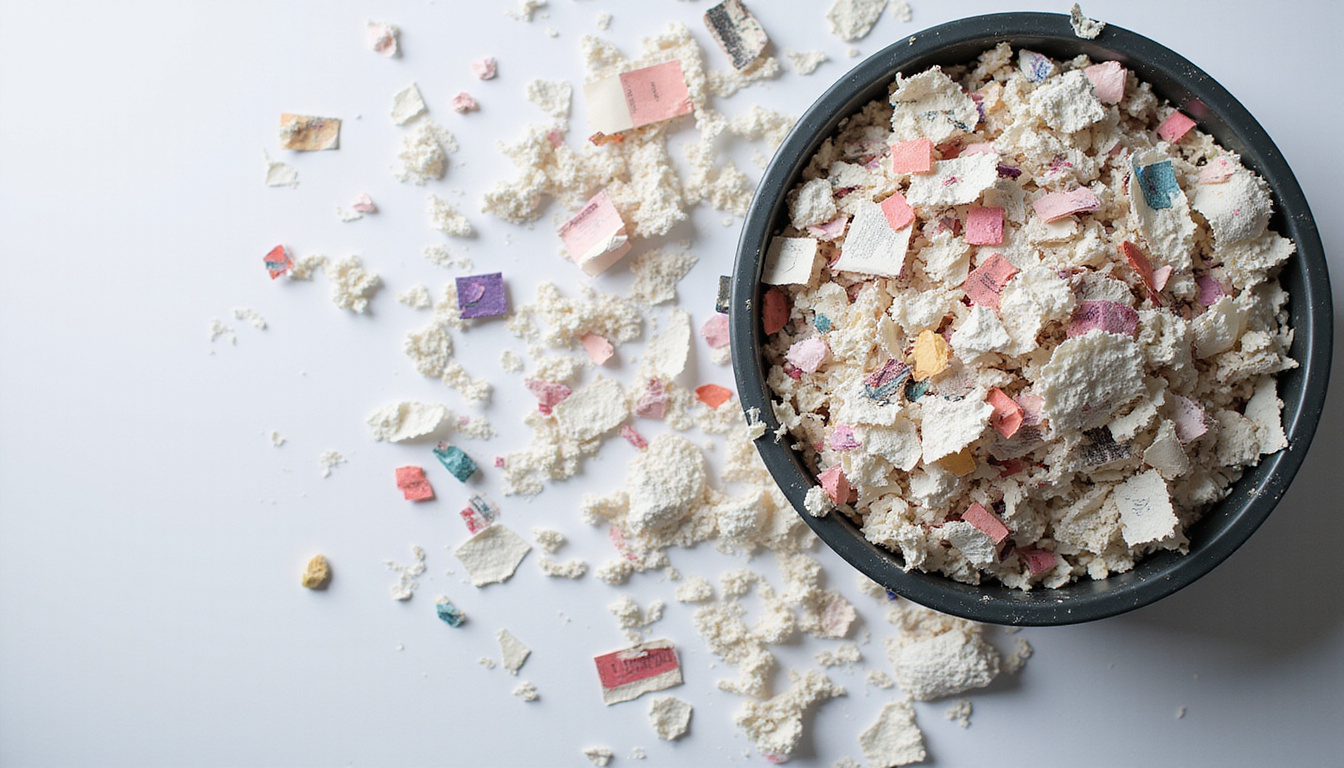
- Grinds paper into tiny particles, almost confetti-like.
- Extremely difficult to reassemble, even with specialized tools.
- Ideal for highly sensitive documents, financial records, and legal or medical files.
When choosing a document shredding solution, consider:
- Security level – What’s the sensitivity of what you’re destroying?
- Capacity – How many sheets at once? How often will you shred?
- Durability – Can it handle staples, paper clips, or credit cards?
- Noise and speed – Important if used in a home or shared office.
For most individuals, a reliable cross-cut or micro-cut shredder is a smart investment.
Step 3: Create a Shredding Routine and Retention Schedule
Shredding shouldn’t be a once-a-decade panic-cleaning project. A simple routine keeps the pile manageable and your risk low.
Build a basic retention schedule
Not everything should be shredded immediately. Some documents need to be kept for legal, tax, or practical reasons. Here is a general guideline (not legal advice; always check local regulations):
-
1 year
- Utility bills (unless needed for tax or proof of residence)
- Bank deposit/ATM receipts (until reconciled with statement)
-
3–7 years
- Tax returns and supporting documents
- Loan documents (3 years after payoff)
- Pay stubs (until W-2s or annual tax documents verified)
-
Until account closure or document replaced
- Bank and credit card statements (unless stored securely digitally)
- Insurance policies (until replaced or expired)
- Warranty documents and purchase receipts for major items
-
Indefinitely
- Birth, death, and marriage certificates
- Social Security or national ID documents
- Wills, powers of attorney, and estate records
- Property deeds, titles, and major loan documents
- Academic diplomas and important professional certifications
When a document’s retention period ends, put it directly into your shredding pile.
Make shredding part of your routine
- Sort your mail daily:
- “Needs action,” “File,” and “Shred.”
- Shred at least weekly so piles don’t become overwhelming.
- Keep a small locked bin or box labeled “To Shred” near your desk or mail drop.
- If you manage a business, set a clear policy:
- Example: “All printed customer data older than X years goes to secure shredding.”
Step 4: Use Secure Methods for Bulk Document Shredding
If you’re doing a major cleanup—old tax files, years of business records, or an estate clearing—your home shredder may not be enough.
Professional shredding services
For large volumes or highly sensitive information, consider a professional document shredding service. They usually offer:
- On-site shredding – A truck with an industrial shredder comes to you. You can often watch the process for peace of mind.
- Off-site shredding – Documents are picked up in locked containers and shredded at a secure facility.
- Certificates of destruction – Documentation that items were destroyed in compliance with relevant standards.
When evaluating providers, look for:
- Industry certifications (e.g., NAID, where applicable)
- Clear chain-of-custody procedures
- Employee background checks and confidentiality policies
- Options for recurring service if you’re a business
Community shred days
Many banks, credit unions, municipalities, and libraries host free or low-cost shred days where residents can bring a limited number of boxes for secure document shredding.
These events are ideal for:
- Old personal records
- Junk mail and outdated statements
- File cabinet clean-outs
Check local listings or your bank’s website to find upcoming events in your area.
Step 5: Don’t Forget Non-Paper Data
Effective document shredding isn’t just about paper. Many other items contain sensitive information and should be destroyed securely.
Items you should destroy, not just discard
- Old credit and debit cards
- Expired ID cards and badges
- CD/DVDs with backups or records
- USB drives and external hard drives
- Old smartphones, tablets, and laptops (after proper data wiping)
- Prescription bottles with printed labels
- Address labels on packages and magazines
Use:
- A shredder rated for plastic cards and optical media, or
- Specialized e-waste and media destruction services for hard drives and electronics.
For digital devices, use secure erase tools or have a professional perform data destruction before recycling.
Step 6: Protect Your Privacy Beyond Shredding
Shredding is one part of a broader privacy and security strategy. Combine it with other good habits:
- Go paperless where secure – Use online statements with strong passwords and two-factor authentication.
- Opt out of unsolicited credit offers – This reduces paper with pre-printed account offers in your mail.
- Use a lockable mailbox – Or a P.O. box if mail theft is a concern.
- Be careful what you print – The less you print sensitive data, the less you have to shred.
- Educate your household or team – Ensure everyone knows what must be shredded vs. trashed.
The goal is to reduce both the amount of sensitive material generated and the risk when it’s discarded.
Quick Checklist: Smart Document Shredding Habits
Use this checklist as a simple reference:
-
Shred anything with:
- Your full name + another identifier (address, account number, etc.)
- Financial, medical, or legal information
- Signatures or ID numbers
-
Use at least a cross-cut shredder for personal documents.
-
Keep a “To Shred” bin and empty it weekly.
-
Follow a retention schedule before destroying tax, legal, and key financial documents.
-
Use professional shredding services for:
- Large volumes
- Business records
- Highly sensitive material
-
Destroy non-paper data (cards, discs, drives, labeled bottles) securely.
FAQ About Document Shredding and Data Security
1. What documents should I shred to prevent identity theft?
Shred any document that includes personal identifiers such as your name and address, Social Security or national ID number, account numbers, medical information, or signatures. This includes bank and credit card statements, bills, tax records after their retention period, medical records, pay stubs, and pre-approved credit offers.
2. Is cross-cut shredding enough for confidential paper shredding at home?
For most households, a cross-cut shredder provides adequate security for everyday confidential paper shredding. If you routinely handle highly sensitive information—like detailed financial records, legal case files, or medical histories—a micro-cut shredder or professional high-security document shredding service is a safer choice.
3. How often should businesses schedule secure shredding services?
The frequency depends on how much sensitive paper a business generates and regulatory requirements. Many organizations opt for monthly or bi-weekly secure shredding. High-volume or highly regulated environments (healthcare, finance, legal) often benefit from locked consoles and recurring pickups by a certified shredding provider.
Take Control of Your Information with Better Document Shredding
Every day you delay secure document shredding is another day your personal or business information can be exposed. Fortunately, protecting yourself doesn’t require complex technology—just a clear plan and consistent habits.
Start now:
- Get a reliable cross-cut or micro-cut shredder.
- Set up a dedicated “To Shred” bin.
- Create a simple retention schedule and mark destruction dates.
- Use professional services for large or sensitive purges.
By turning document shredding into a regular practice, you dramatically lower your risk of identity theft, financial loss, and privacy violations. Take an hour today to sort your most vulnerable papers—and make secure shredding a permanent part of how you handle your information.
Junk Guys San Diego
Phone: 619-597-2299
Website: www.olive-deer-348861.hostingersite.com
Email: junkguyssd619@gmail.com